Sunshine and tea in the foyer of a church on Sunday morning.
For Debbie’s One Word Sunday.
#OneWordSunday
#OWS

Sunshine and tea in the foyer of a church on Sunday morning.
For Debbie’s One Word Sunday.
#OneWordSunday
#OWS

For Debbie’s Six Word Saturday.
#SWS
#SixWordSaturday

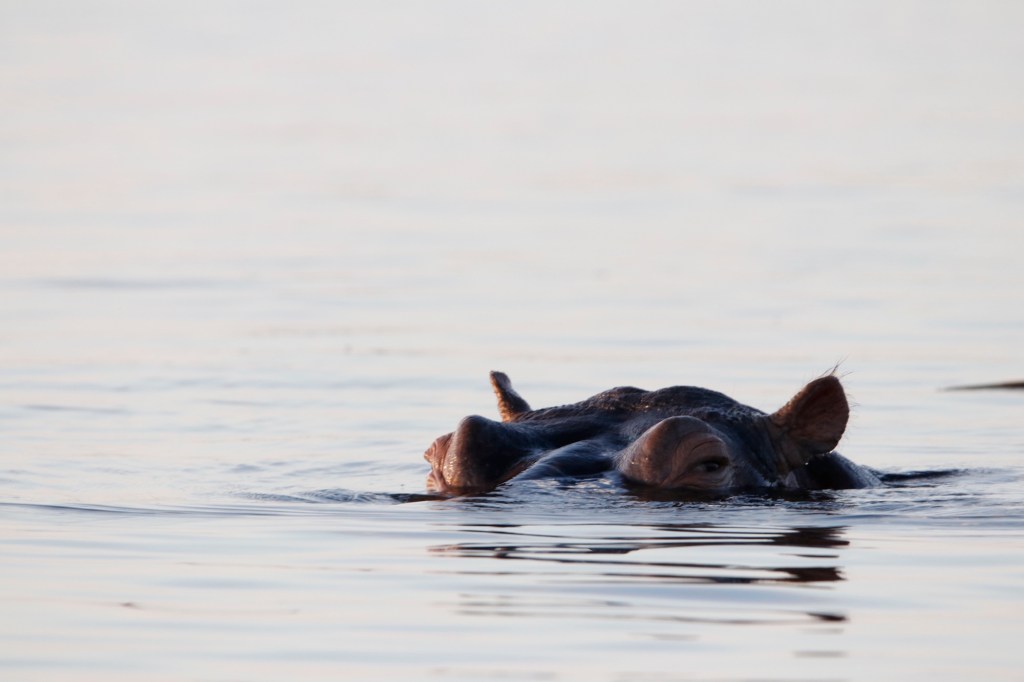
A quiet drink in the shade on the banks of the Chobe River in Botswana.
For Debbie’s One Word Sunday.
#OneWordSunday
#OWS

Cold nights and mild days make for interesting morning viewing.
For Debbie’s Six Word Saturday.
#SixWordSaturday

A pond in Trafalgar Square, London, reflecting the dome of the National Gallery.
For Debbie’s One Word Sunday.
#OneWordSunday
#OWS

Can you see the white heart-shaped rock?
For Debbie’s One Word Sunday.
#OWS
#OneWordSunday
For Debbie’s One Word Sunday.
#OWS
#OneWordSunday

For Debbie’s Six Word Saturday
#SixWordSaturday #6WS
What do you complain about the most?
When I moved to Cape Town for university, my first priority was to join a Bible-preaching church.
When my soon-to-be husband moved to Germany, I urged him, “Please find a Bible-preaching church.”
When we moved to England, our first quest was to find a Bible-preaching church.
I’ve found churches that fit this label. I’ve sought church as a home when I had none, a family when mine was on the other side of the world, a place to accommodate differences, welcome, teach, love. A place where Jesus is found. I’ve sought surrogate grandparents, aunts, uncles, cousins for my children as I’ve sought the fulfilment of Christ’s promises.
I’ve put so much hope in the church.

And then…
Another sermon preached only to men.
Another pastor found guilty of abuse.
Another shaming of hard-working people because they’re not in vocational ministry.
Another woman isolating homeschooling mums.
Another elder who can’t look a woman in the eye.
The disillusionment is almost tangible.
Perhaps I’m guilty of being a “consumer” in church. Perhaps I just need ministering to.
I don’t deny the hypocrisy, the intense disappointment that what even I thought was possible in a fallen world, still falls short. We are a collection of weak vessels, jars of clay, a hulking mass with slack ropes. We are a very poor reflection of our Redeemer.
But in the end, hope was never to be found in the church. Faith is born in places that are impossible. It’s born in barren places, despite what is visibly dead. It’s hope against hope.
It’s born of Someone who raises the dead. Who calls into being things that don’t exist.
I was made aware of this song last night, from a person ministering in one of the darkest places in the world. It’s another drop of pure crystal water in a dry land to keep us going.
And I’m reminded that I’ve often found myself here: so very very sad that we’re not any better at being what Christ called us to be, hardly daring to believe the reality of what I see. And someone says the thing I need to hear and my heart is soft enough to hear it. And I believe that the church is still alive.
One step at a time.
What are your favorite sports to watch and play?
I’ve never been “sporty.” At best I’m inconsistent. Much to the frustration of my netball teacher at school, I was at times good enough to be on the A team, then the next week severely demoted.
I remember her striding up to me and, inches away from my face, saying:
“WHO is putting pressure on you?”
At the time it totally mystified me. Now I find it hilarious.

These days I run a fair amount and regularly do Pilates to help with chronic issues, but if ballet counts as sport, that remains my favourite.

I’m biased when it comes to watching sport.
When I was a young idealist adolescent, the new South Africa hosted the Rugby World Cup. We had been excluded from the first two competitions because of the previous apartheid government’s atrociously racist policies. We made it to the final and Nelson Mandela, our president, famously donned the number 6 Springbok jersey, the jersey of the white Springbok captain, and visually demonstrated how our nation can be wise, welcoming to all, tolerant and gracious. At the end of the match, the Springbok team knelt on the pitch to pray and gave humble thanks to God for their victory.
It’s wonderful but it’s not that surprising. South Africa is a nation of prayer. Some say we were in the midst of a revival at the time, and I believe it. So much that could have gone horribly wrong in the 90s in South Africa, didn’t go wrong. So much went right. I saw so many people pray. I have a lot to be grateful for.

Rugby is a brutal sport. I warned my daughters that there is a lot of “pushing”. The rules have to be extremely strict to protect the players. But even today, Springbok players are open about their faith in Jesus. It reflects in the way many of them play. They work hard, they encourage each other, they are welcoming to the outcast. The are humble in victory, gracious in defeat.
The team players have many stories to tell: of learning to follow Jesus, of people believing in them despite their mistakes, of coming from extreme poverty. The coach has wept over them. When the All Blacks (the fearsome New Zealand team) performed the haka, the Springbok captain sang while facing the battle cry. He leads them in calm, clear-headedness in a sport that looks like a battle, knowing what a real battle is like.
So I’m biased when it comes to sport. Rugby is my favourite not so much because of the sport itself, but because of what it represents.
It was sealed as my favourite when our country was steered away from civil war. It’s a symbol of the grace that was poured out on us.
It has stayed my favourite because of the values the Springbok team upholds.
They are values still upheld by South Africa. Recently my nephew won the Sportsmanship Award at his local primary school in Cape Town. Among other things, it is awarded to someone who displays a positive attitude towards match officials, opposition players, and his team mates.
Who displays humility in victory and graciousness in defeat.